by JH Kilbuck
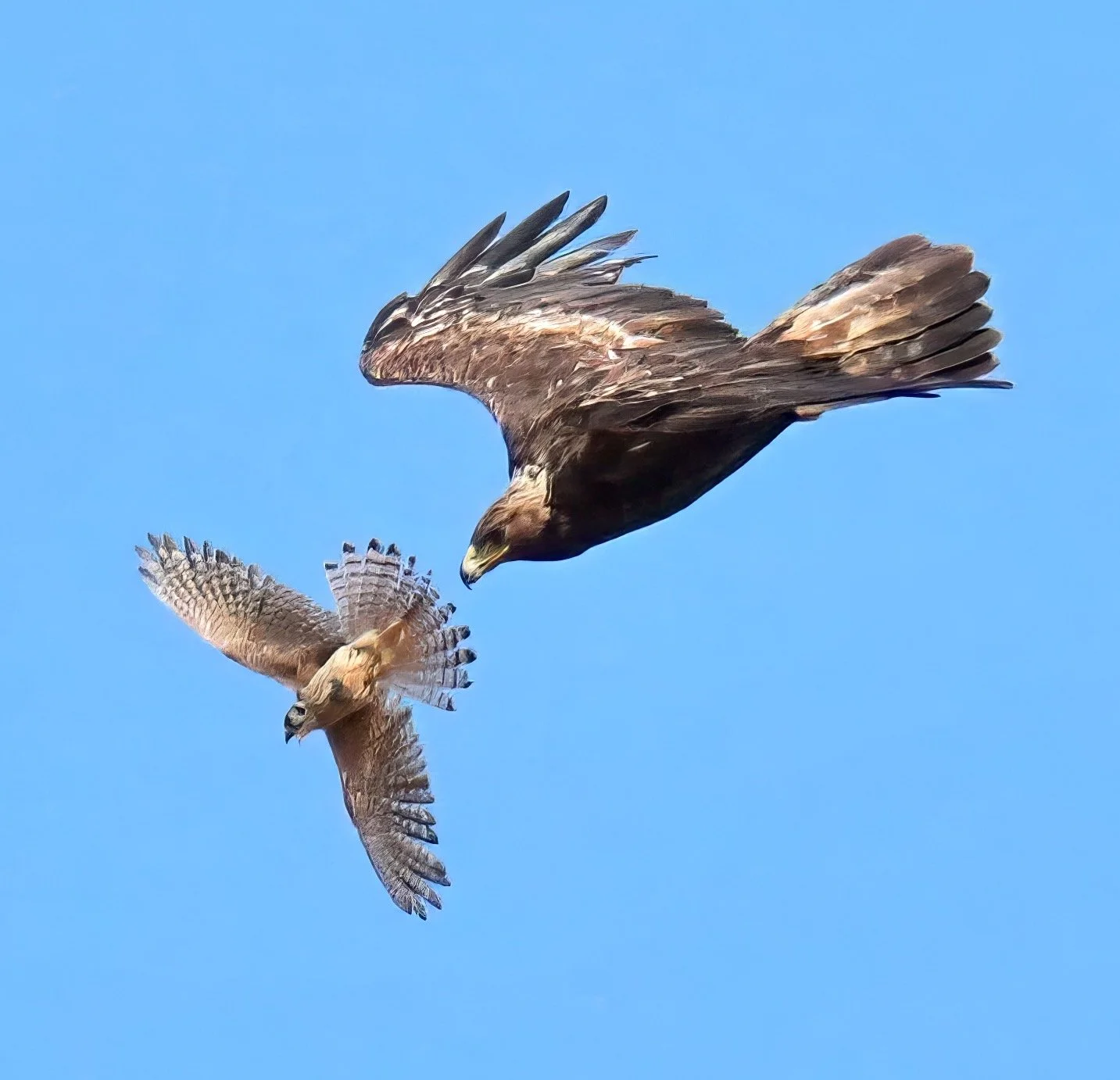
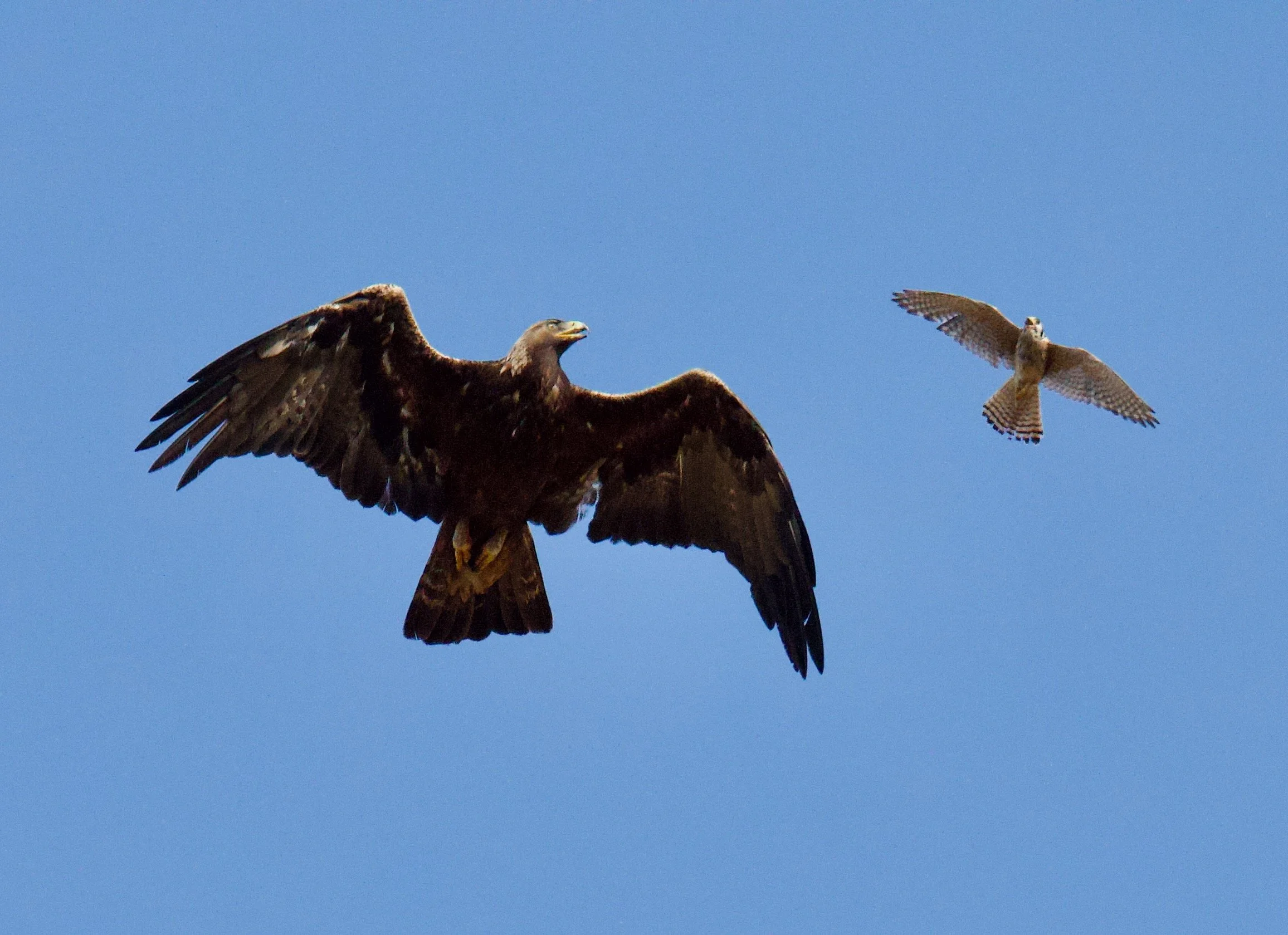
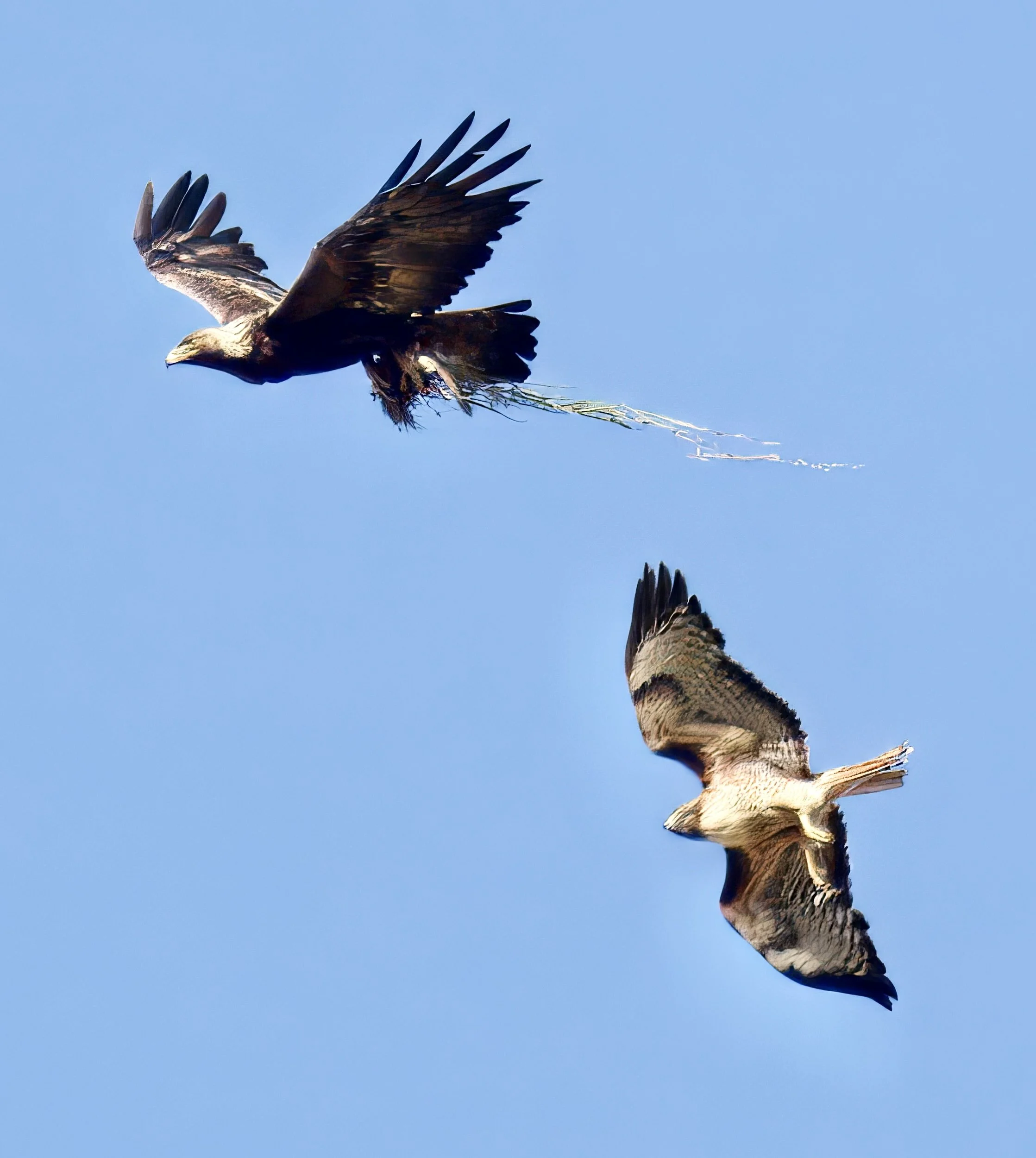
After relentless harassment of North America’s most formidable raptor, the Kestrel finds herself with tables turned-at the pointy end of the Golden Eagle.
This website chronicles the last year and a half photographing birds of prey in the coastal sage, grasslands, and oak woodland of the Monterey area uplands. My hope is to spark interest in the conservation of these amazing birds of prey, and the wild spaces they rely on. All observations are my own.
The Monterey Uplands is known for biodiversity and is a patchwork of oak woodland, chaparral, rolling grasslands, with transition zones of coastal sage, and riparian flora—so varied that many species of raptors find it an ideal mosaic for hunting, nesting, and thriving across these overlapping ecosystems.
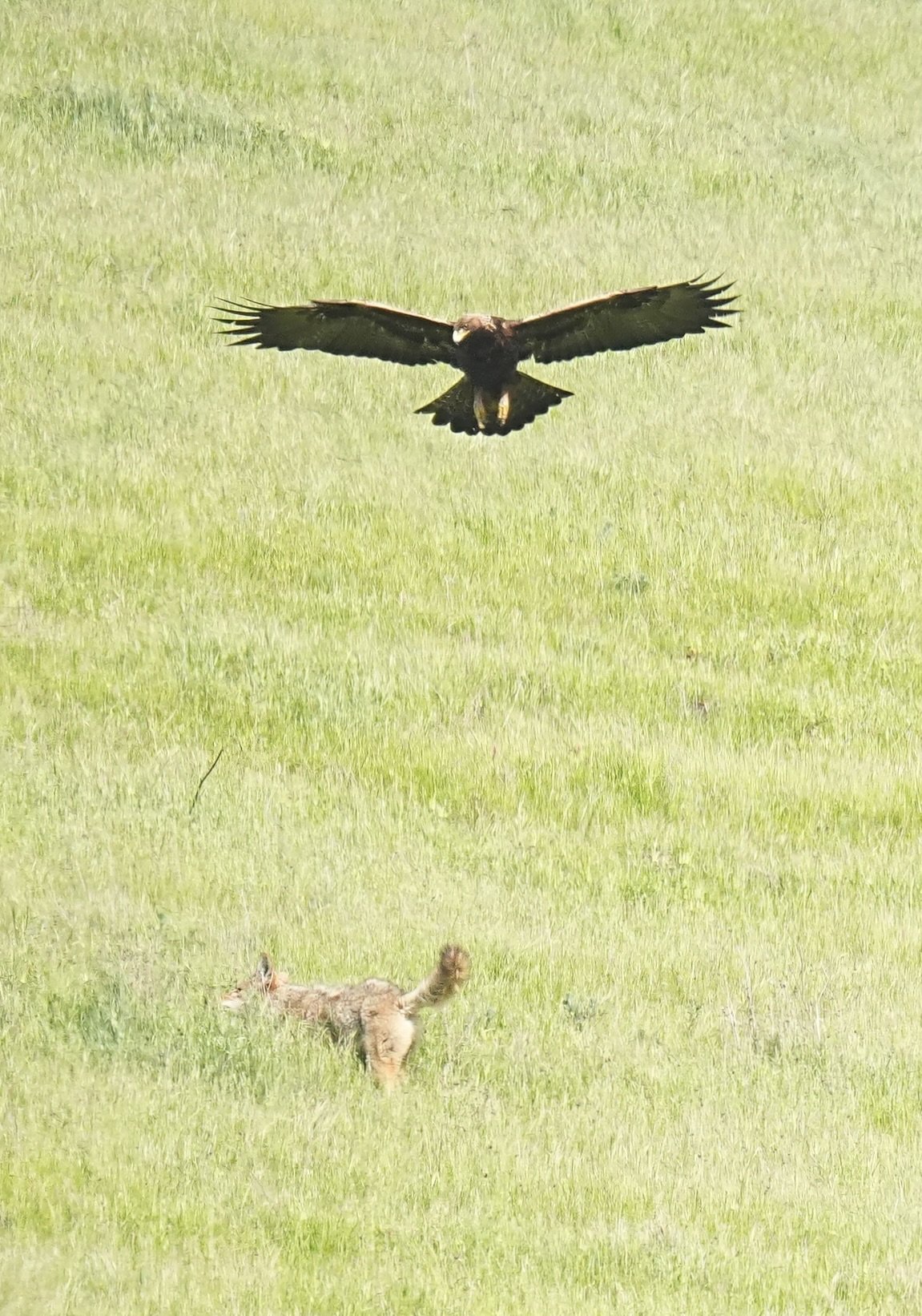
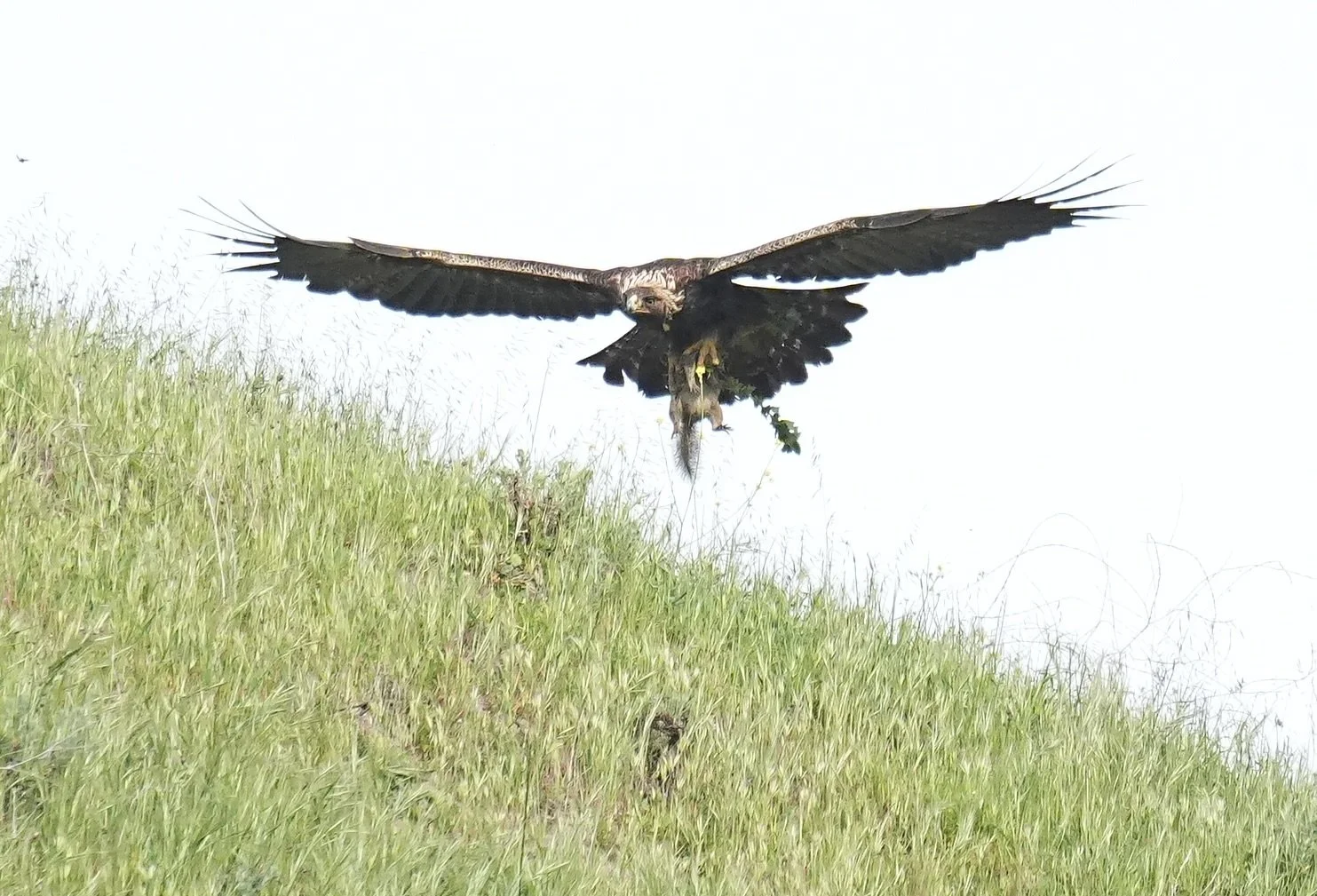
The diverse landscape supports a wide hierarchy of these hunters. Larger raptors like the Golden Eagle and Red-tailed Hawks soar over the open grasslands, finding a steady supply of ground squirrels, smaller rodents, and reptiles. Meanwhile, White-tailed Kites and Northern Harriers share the grassy meadows and transition zones hunting voles, while agile woodland hunters—such as Cooper's Hawks, and the occasional Peregrine Falcon—utilize the oak woodlands and riparian corridors as stealthy ambush points to target smaller avian prey. The most beautiful of the raptors (in my opinion), the American Kestrel concentrates on the smallest of prey like lizards, insects, mice, and amphibians. All of these species are opportunists and find the Monterey Uplands replete with food sources.
Where lots of birds of prey congregate, conflict is inevitable. I’ve witnessed humming birds of just a few grams chasing Red-tailed Hawks of a few pounds. Every species guards its hunting and nesting grounds with enthusiasm—a wonderful recipe for the photographer. Aerial acrobatics, rolling upside down, talons flashing, and mock battles are the foundation for dramatic photos.
Equipment: I use a Sony a6700 paired with a Sigma 150-600mm f/5-6.3 telephoto. The crop sensor technology assists with considerable reach. When hiking in the less traveled ridges and canyons of the Monterey Uplands, lightweight gear is a welcome attribute.
Camera Settings: From the moment I step out of the car, my camera is set to 600mm, 1/3000 sec, f/8.0, and ISO 2000. My primary interest lies in capturing raptors interacting not only with other raptors, but documenting the chaos ravens always bring—I think they just can’t help themselves. A fast shutter speed is critical—these birds are fast and are often operating at great distance. The greater depth of field the better chance of keeping two interacting birds sharp in the same frame. These settings are of course just good starting points and are greatly affected by the direction and quality of light. I suggest you don’t turn off your camera until you are packing up—more than once the parking lot has given up a quality and unexpected shot. Dumb luck and serendipity have a way of providing some of the best moments behind the camera.
Fieldcraft and Patience: Photographing birds on the wing demands a combination of practice and persistence. I carry a small stool that fits into my backpack. I find it provides a much more stable base from which to track subjects while giving the photographer a smaller, less imposing profile.
We are blessed to have an ocean breeze moving across the uplands much of the year. Not only does it provide exceptional lift for the soaring raptors, but it also helps mask a photographer’s slight movements as the surrounding trees, grass, and bushes sway alongside. Raptors are wary by nature and prefer to hunt with as little distraction as possible—especially of the human kind.
Ethics: Photographing birds without influencing their behavior is a practiced skill. I rely on long lens and stillness rather than getting closer. I don't approach nests, photograph nests, or disclose their locations. Above all, the bird’s welfare comes first: respect their space, and remember that no image is worth disrupting their lives.
Feel free to capture or screenshot any image for personal use (Shift + Command + 4 on Mac) or (Windows + Shift + 4 on PC) : drag a box over your desired image, then drag or save to your desktop. If you enjoy these images, please consider making a donation to the SPCA Monterey County Wildlife Rescue and Rehabilitation Center (donation link below), Monterey Audubon Society, Ventana Wildlife Society, or an animal rescue group of your choosing.
All Photographs by JH Kilbuck
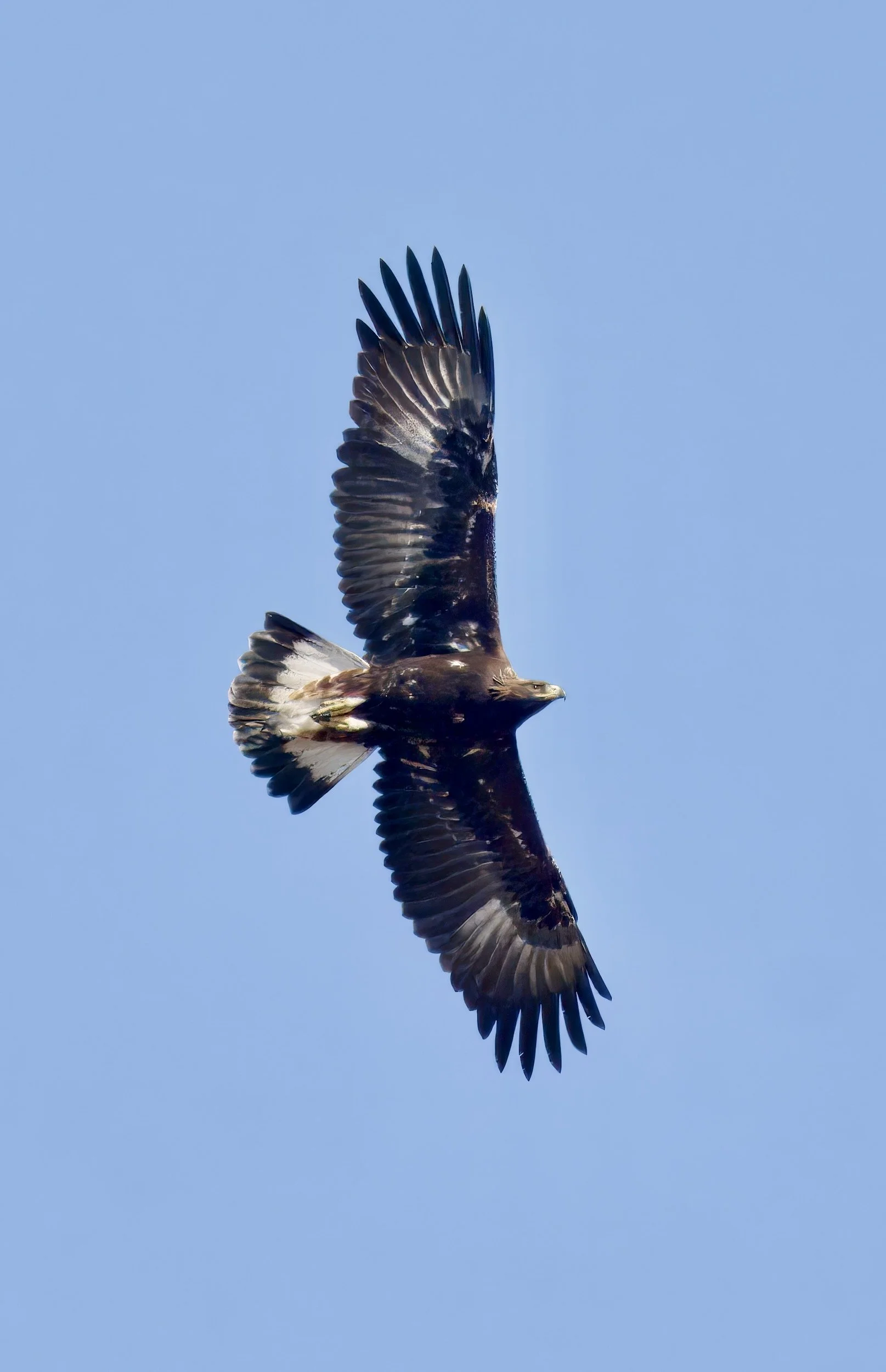
Golden Eagle
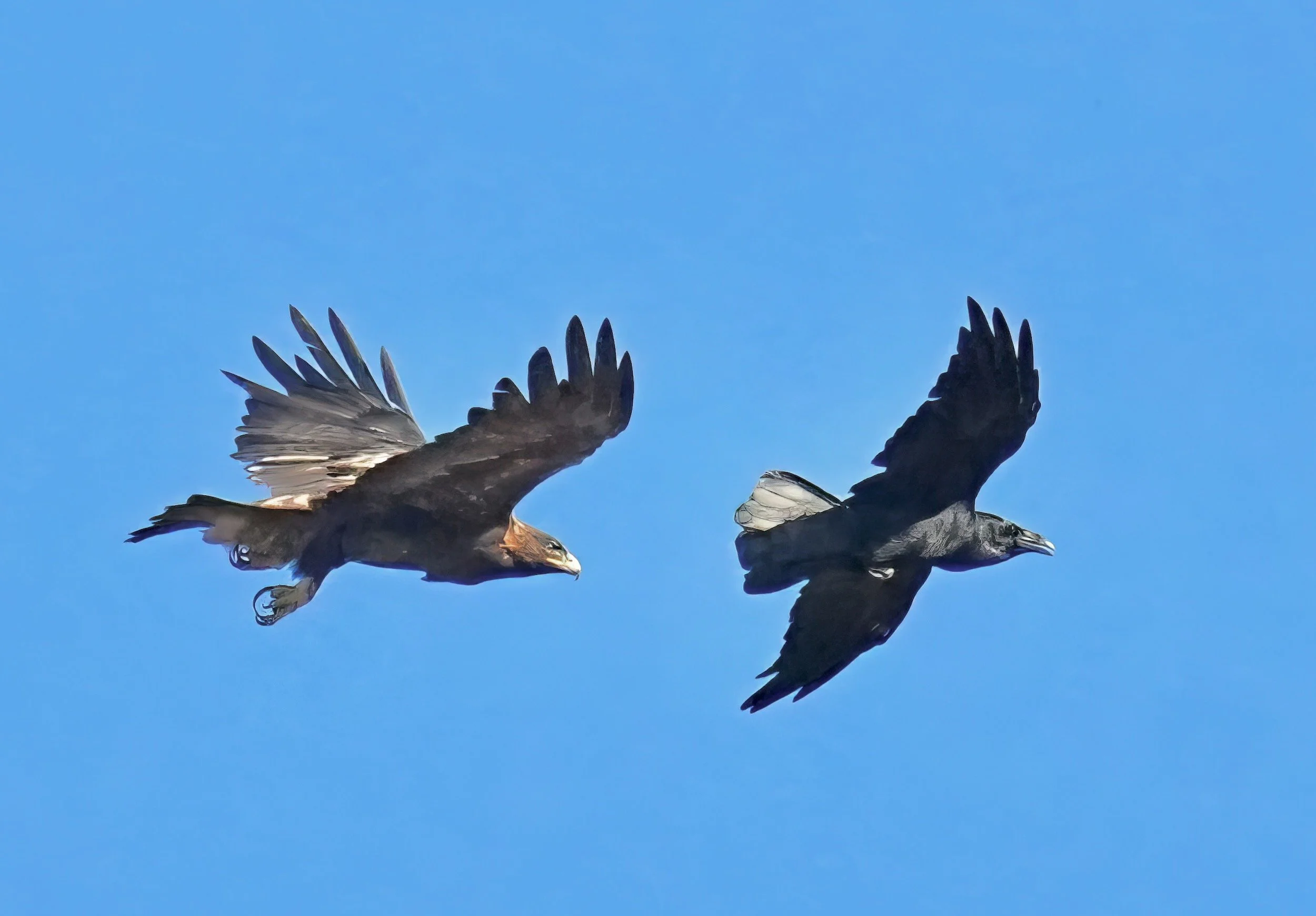
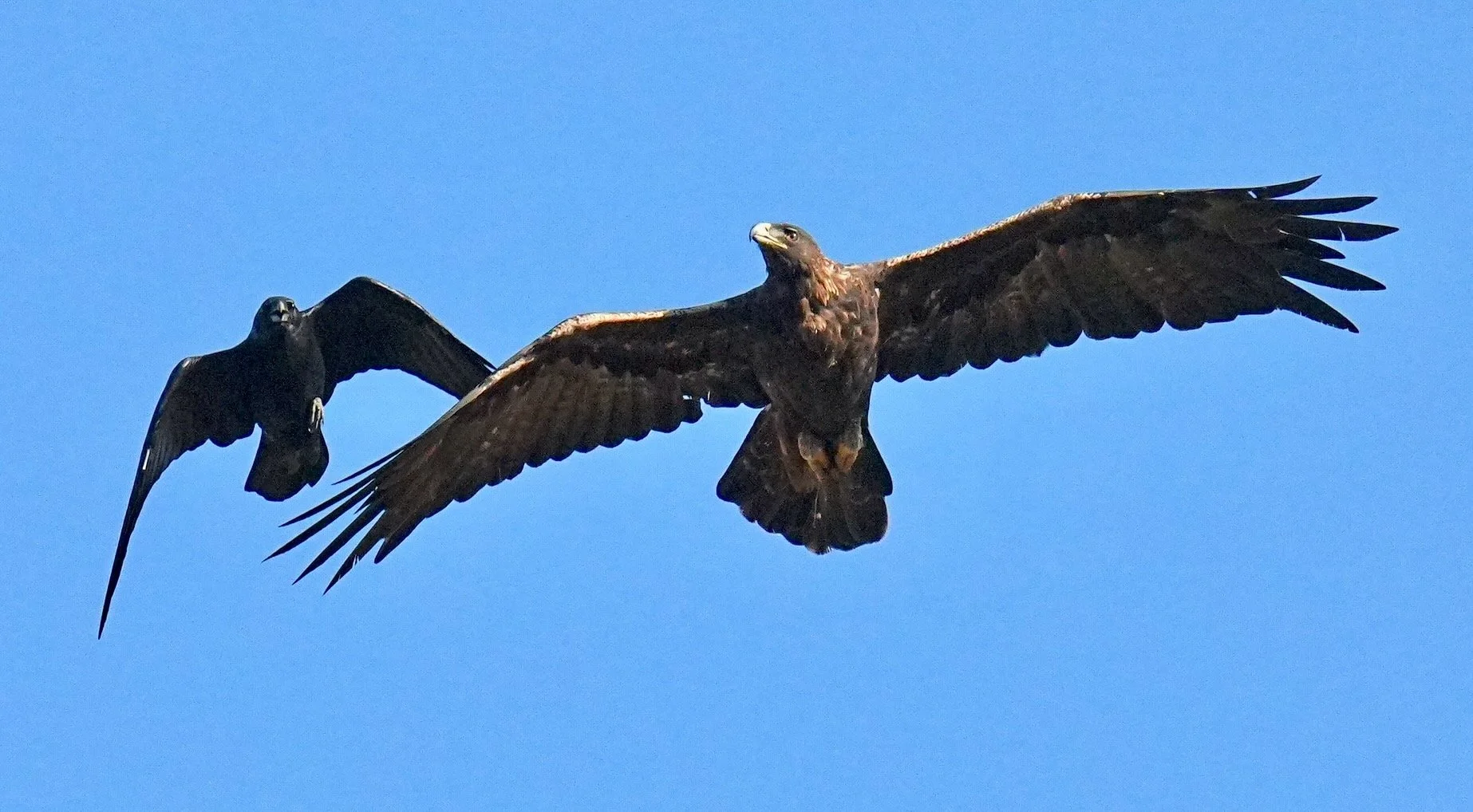
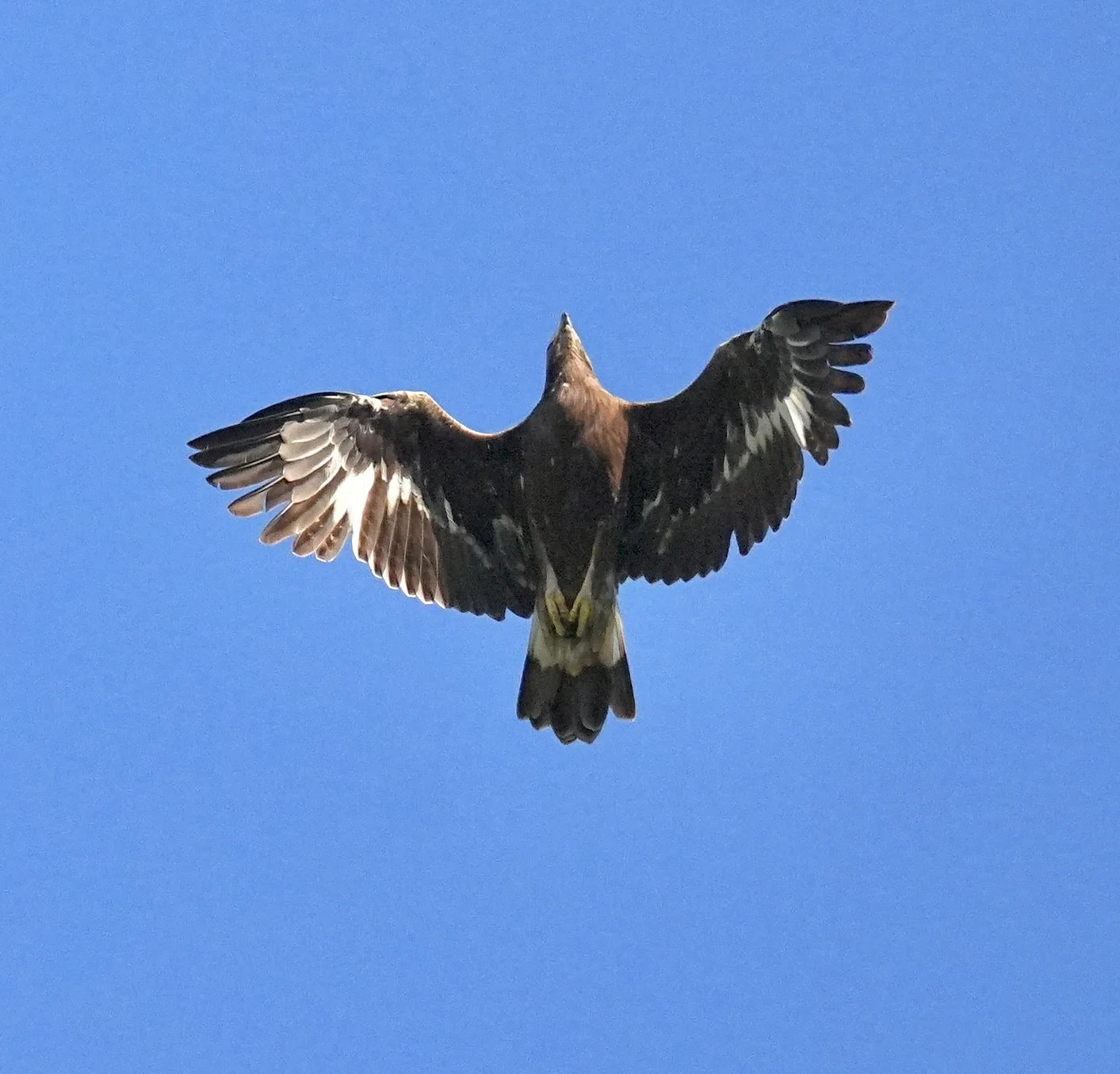
Despite the eagle’s apex status and physical dominance, everyday life is not resistance-free. Red-tailed Hawks and ravens will actively mob eagles, often in dramatic fashion. However, this agitation is not limited to large birds; American Kestrels are often the most frequent antagonists. But while the eagle may appear indifferent or resigned, its patience has its limits.
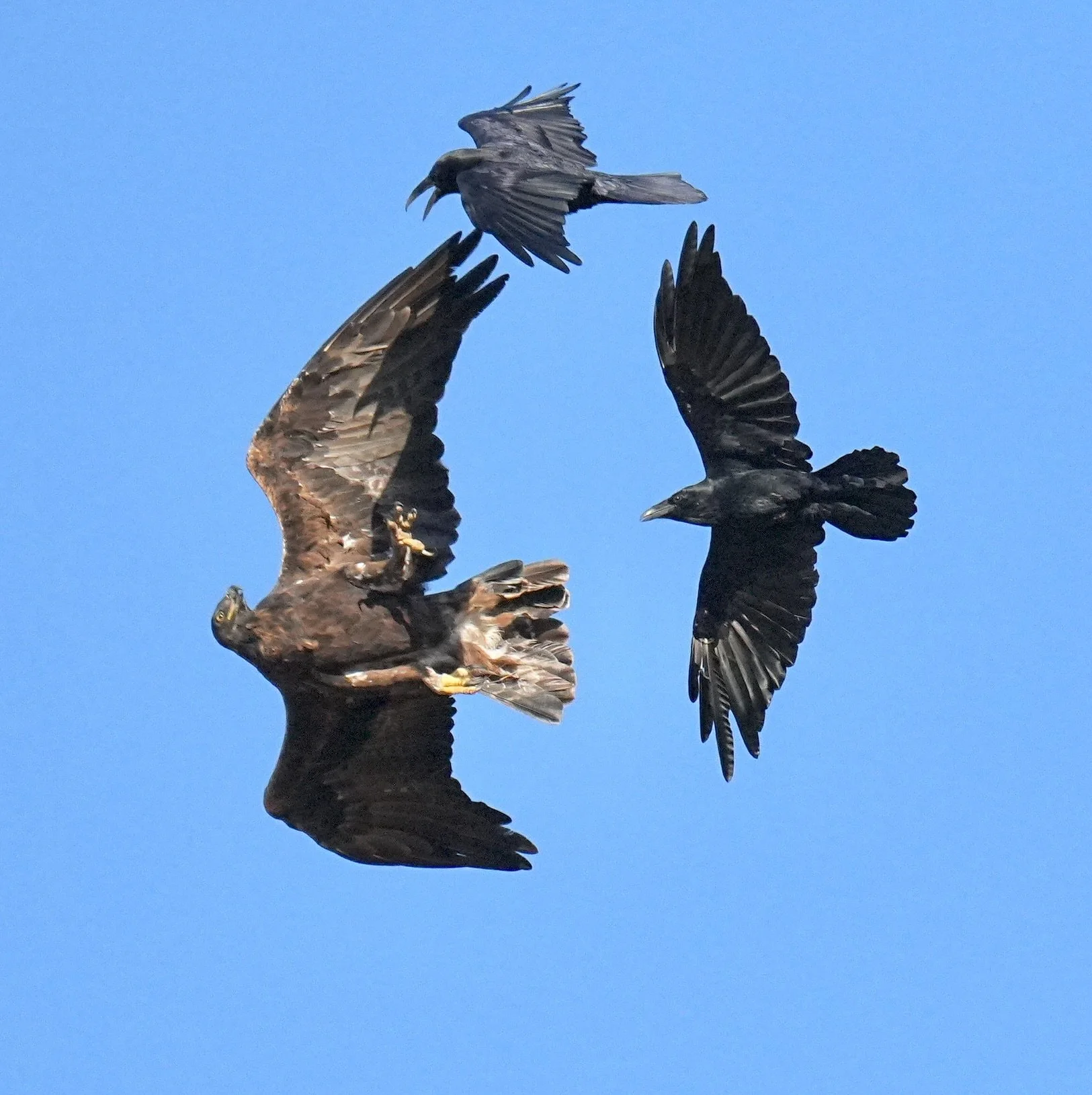
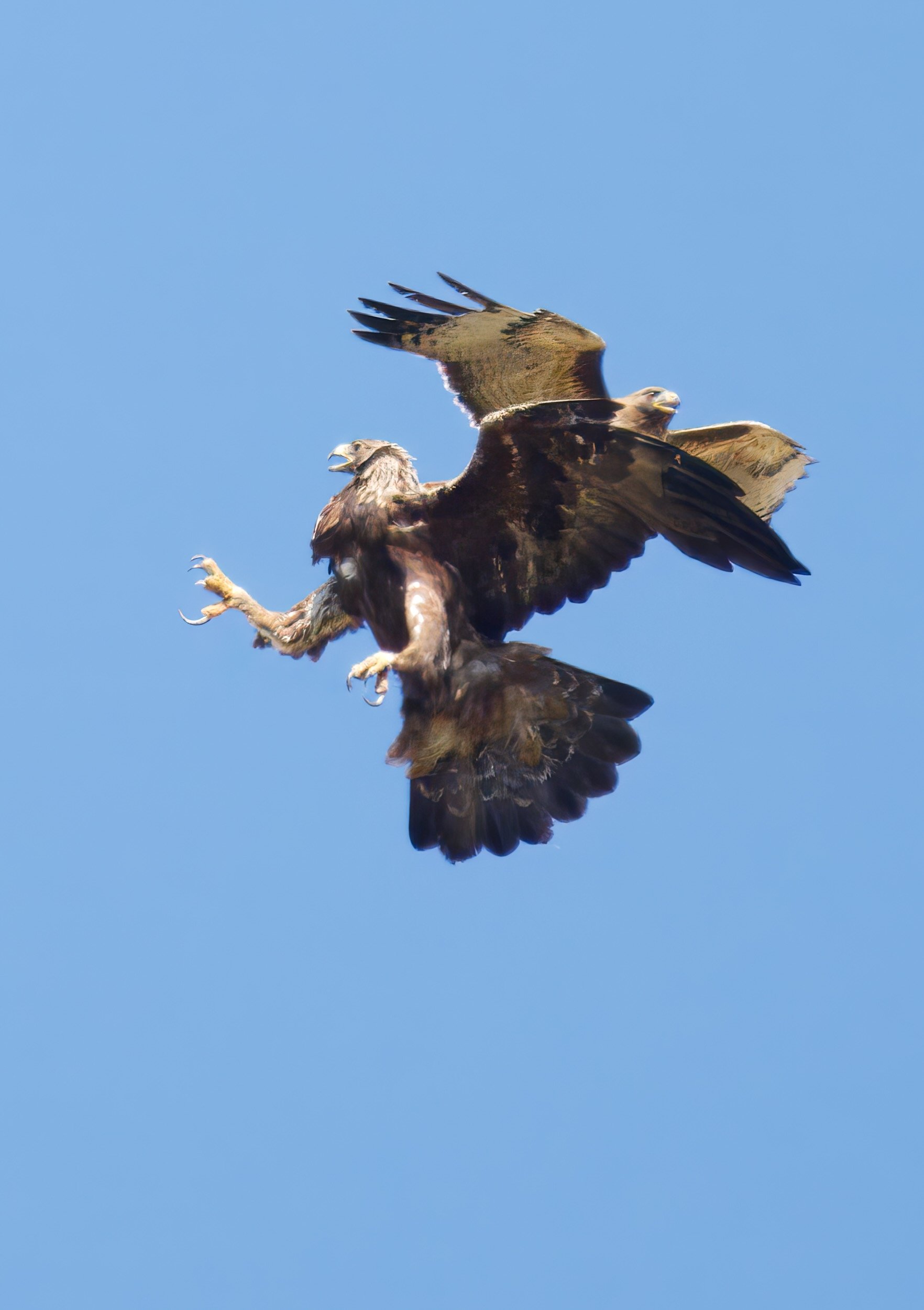
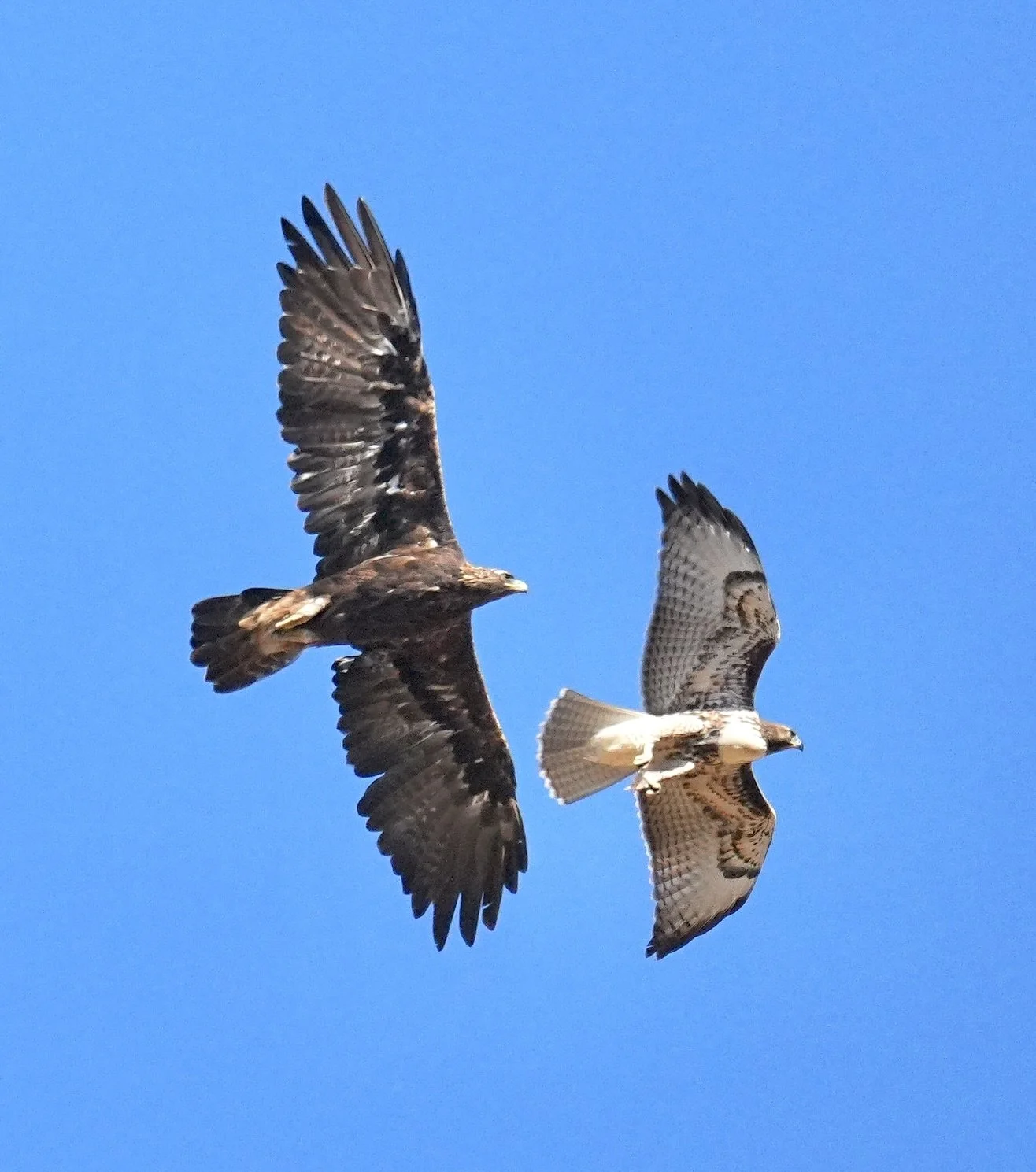
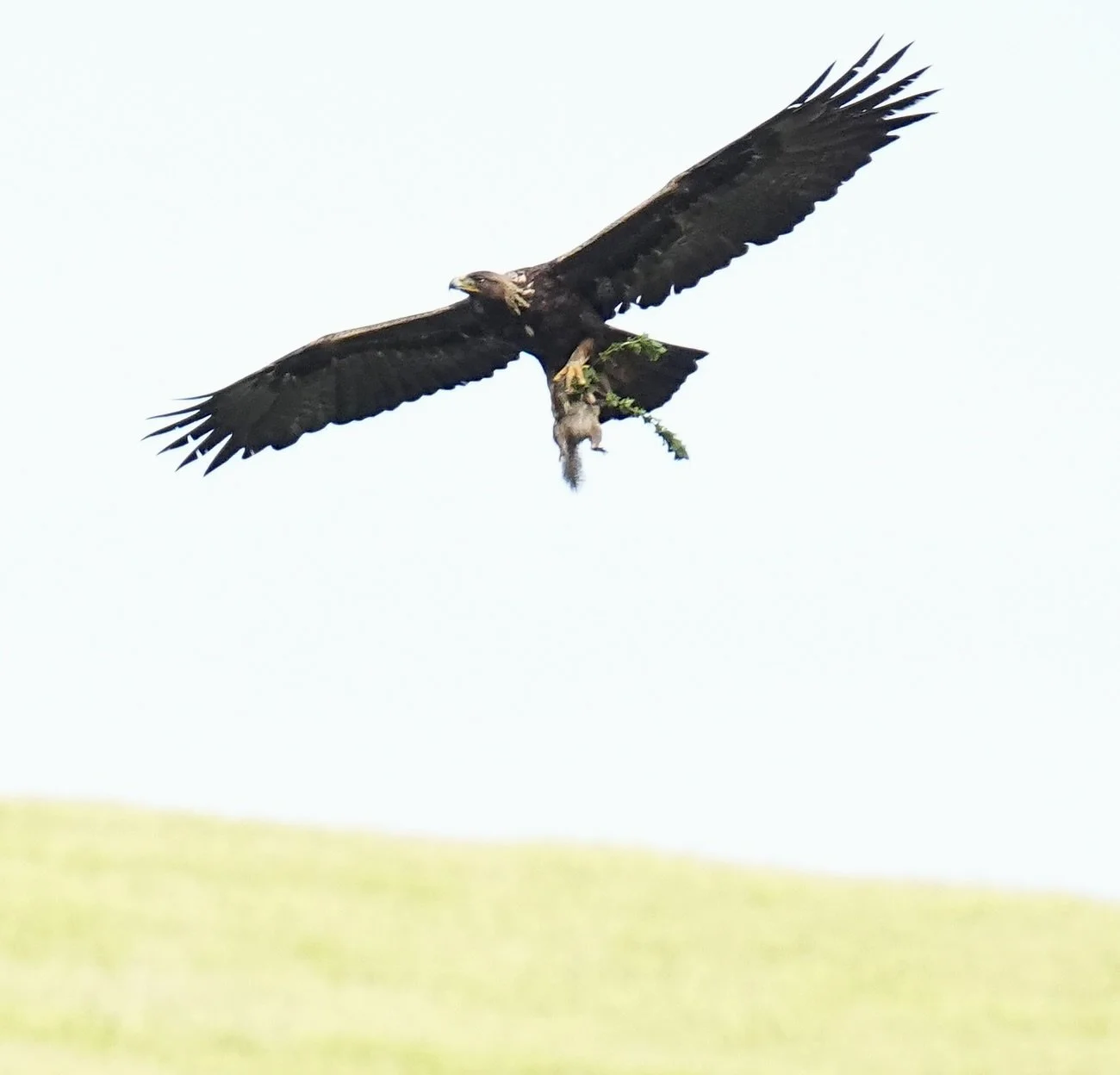
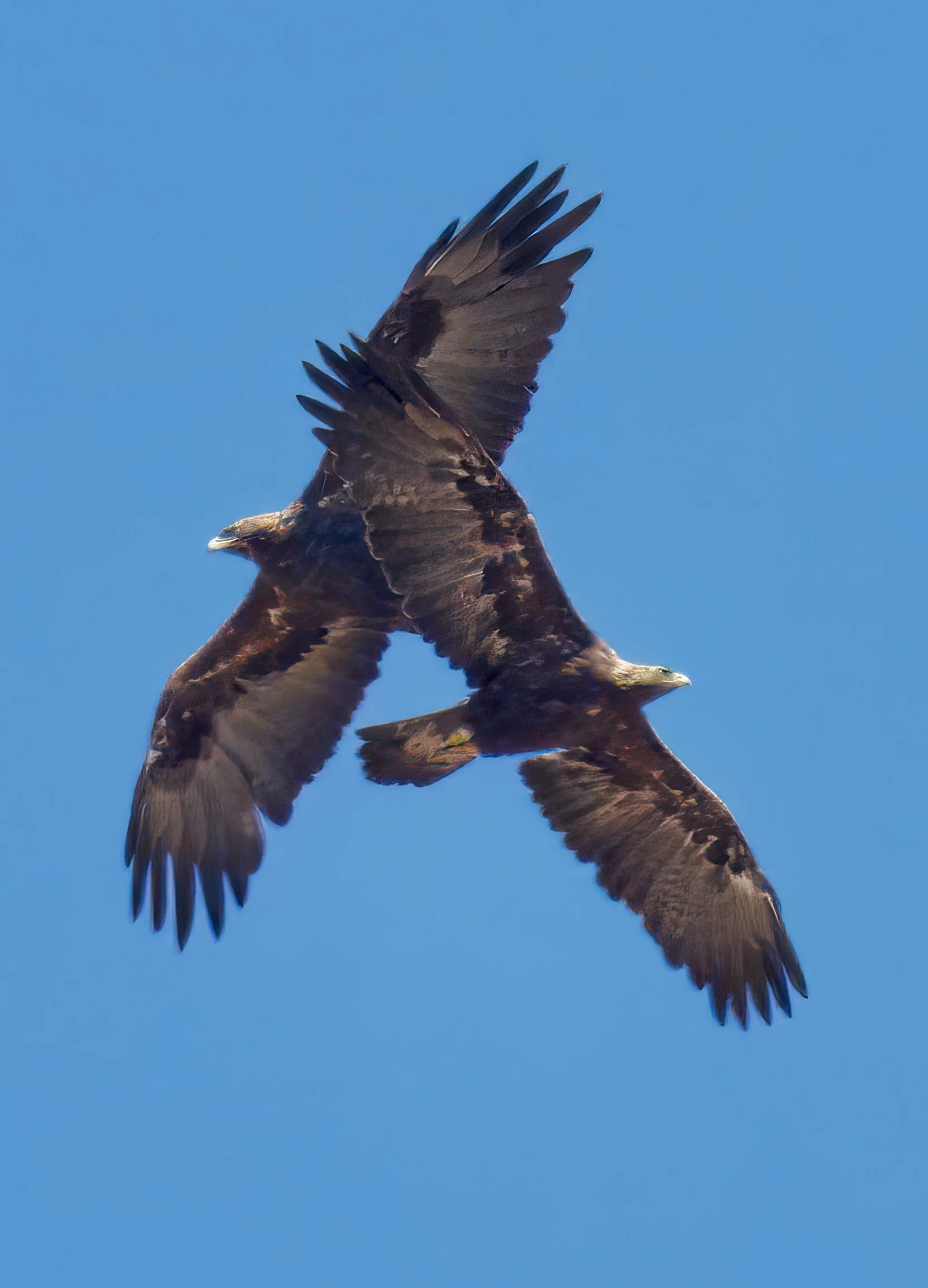
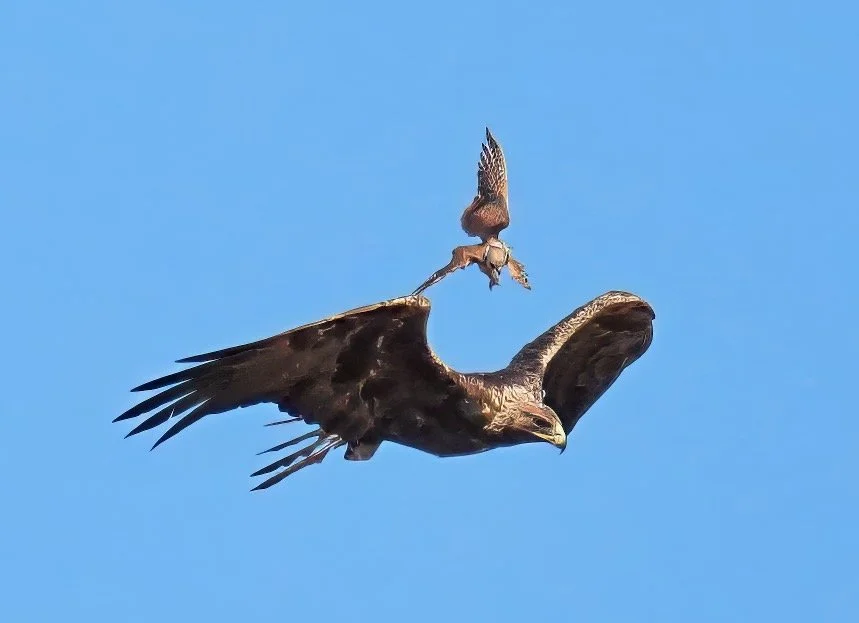
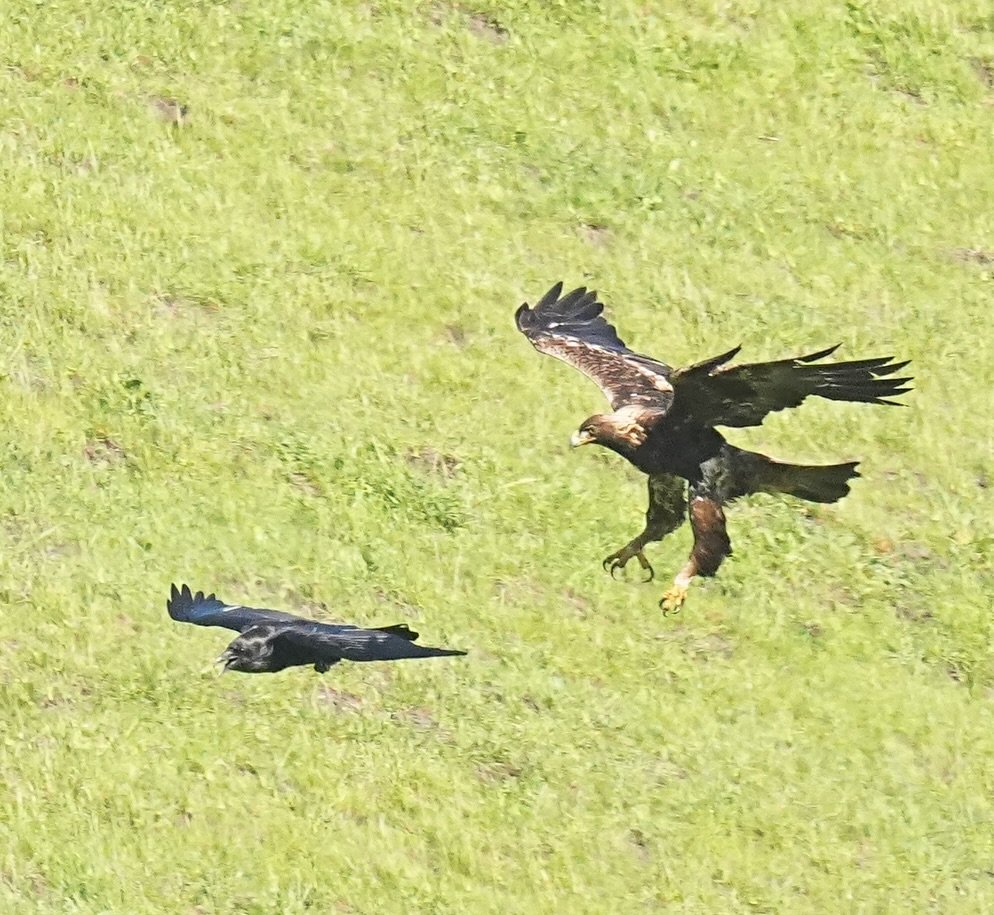
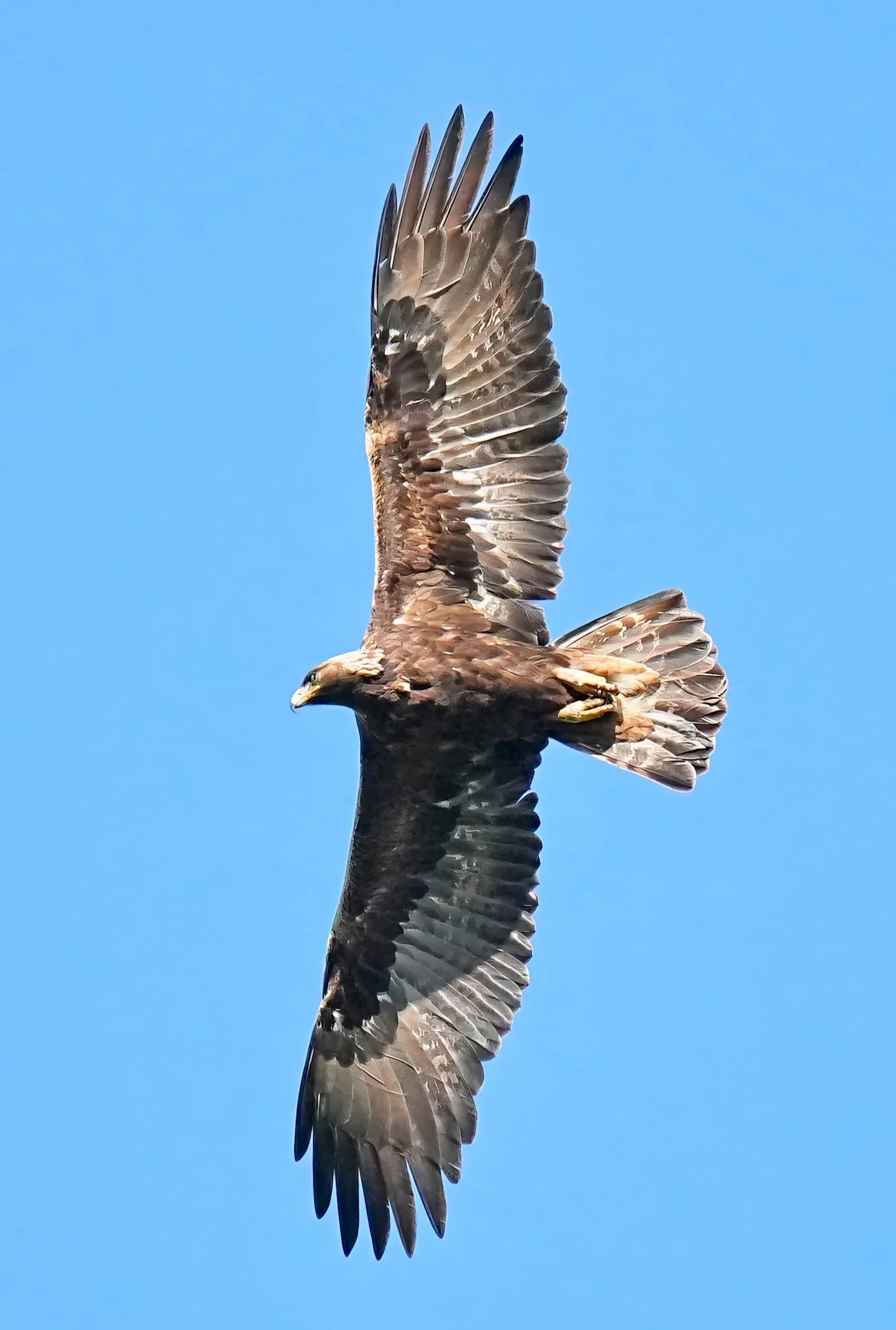
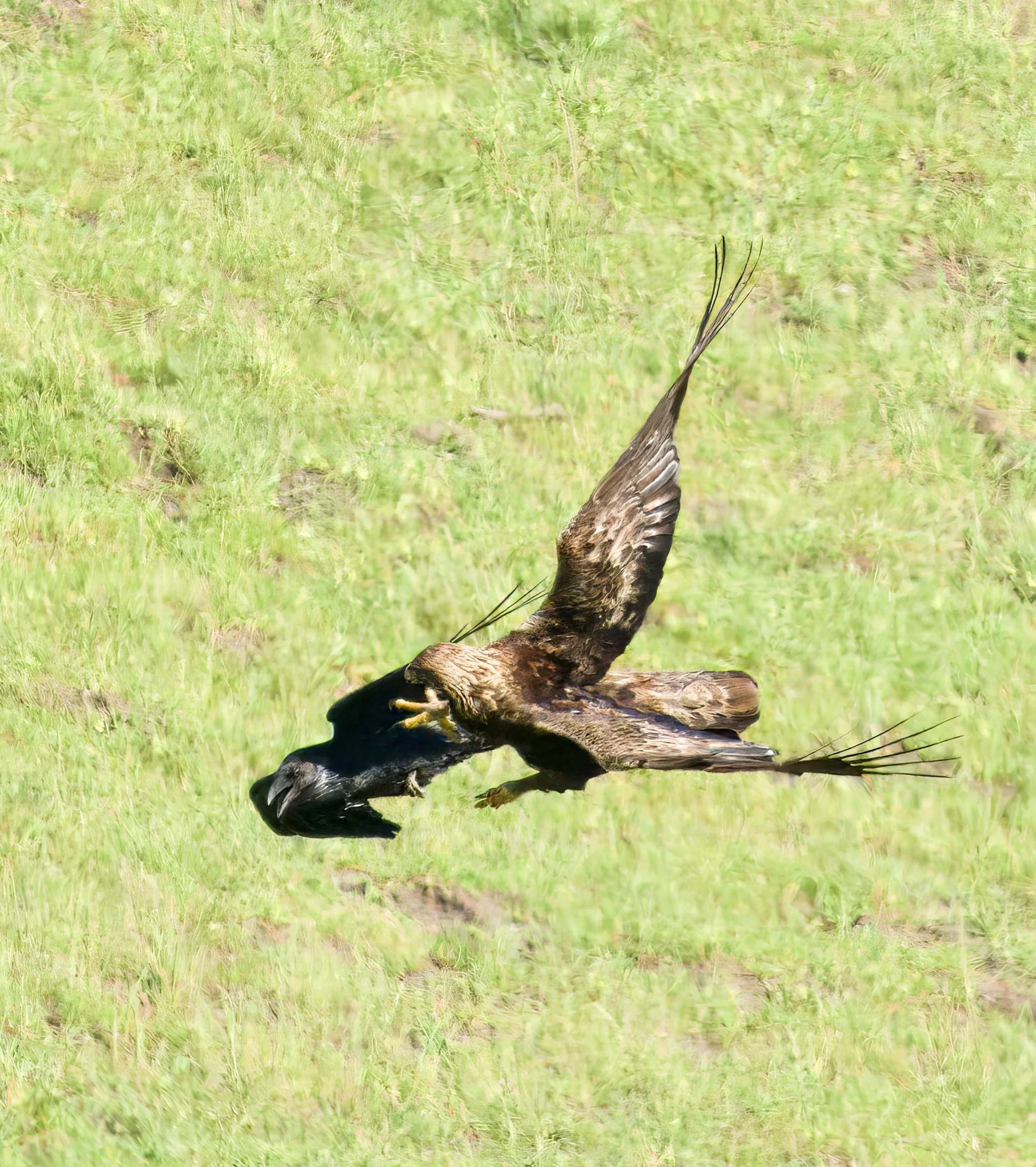
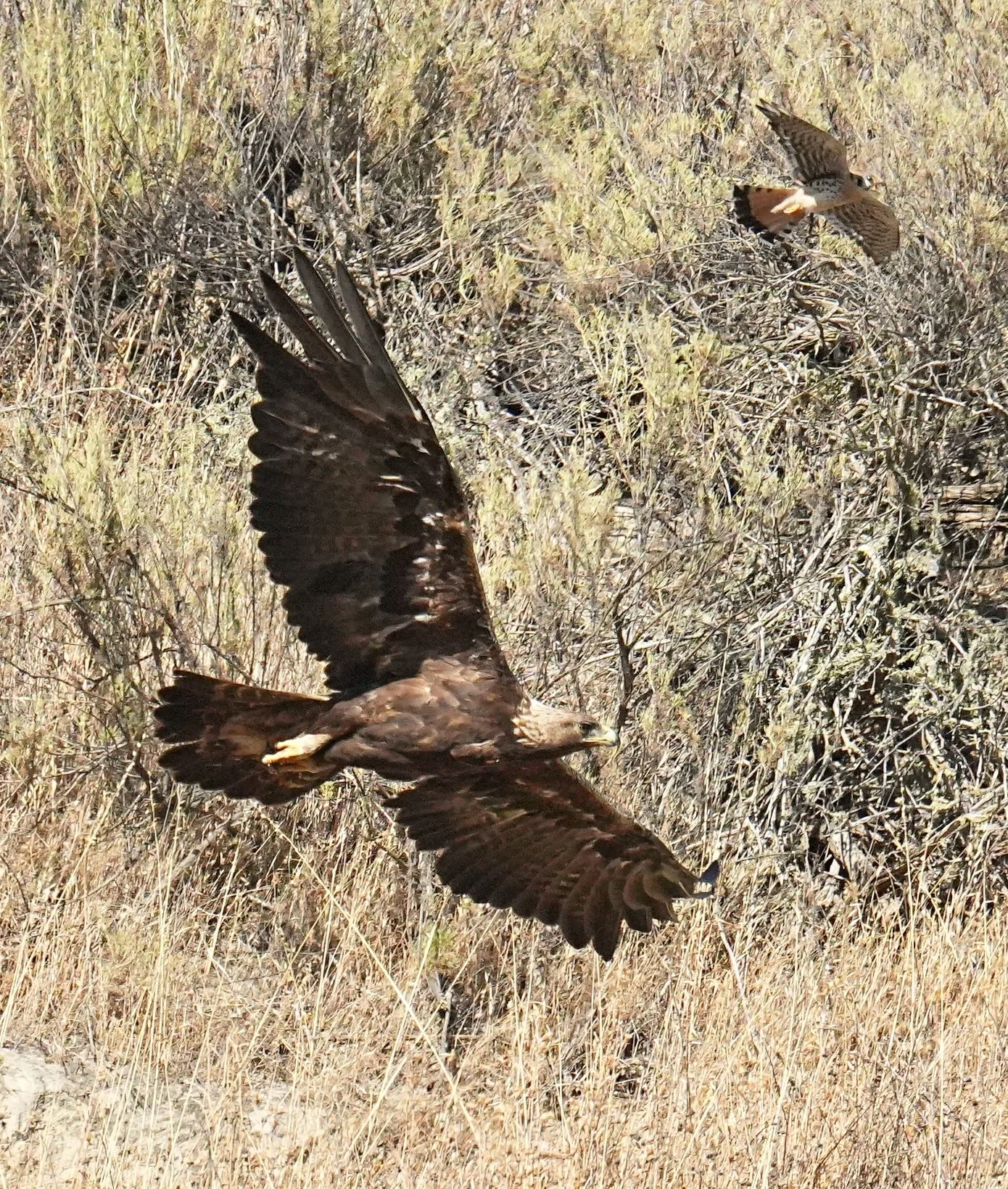
All images captured in the Monterey area using a handheld Sony a6700 and Sigma 150-600mm telephoto lens